





Article: What Vaccines Do Dogs & Cats Need? A Canadian Pet Vaccination Guide

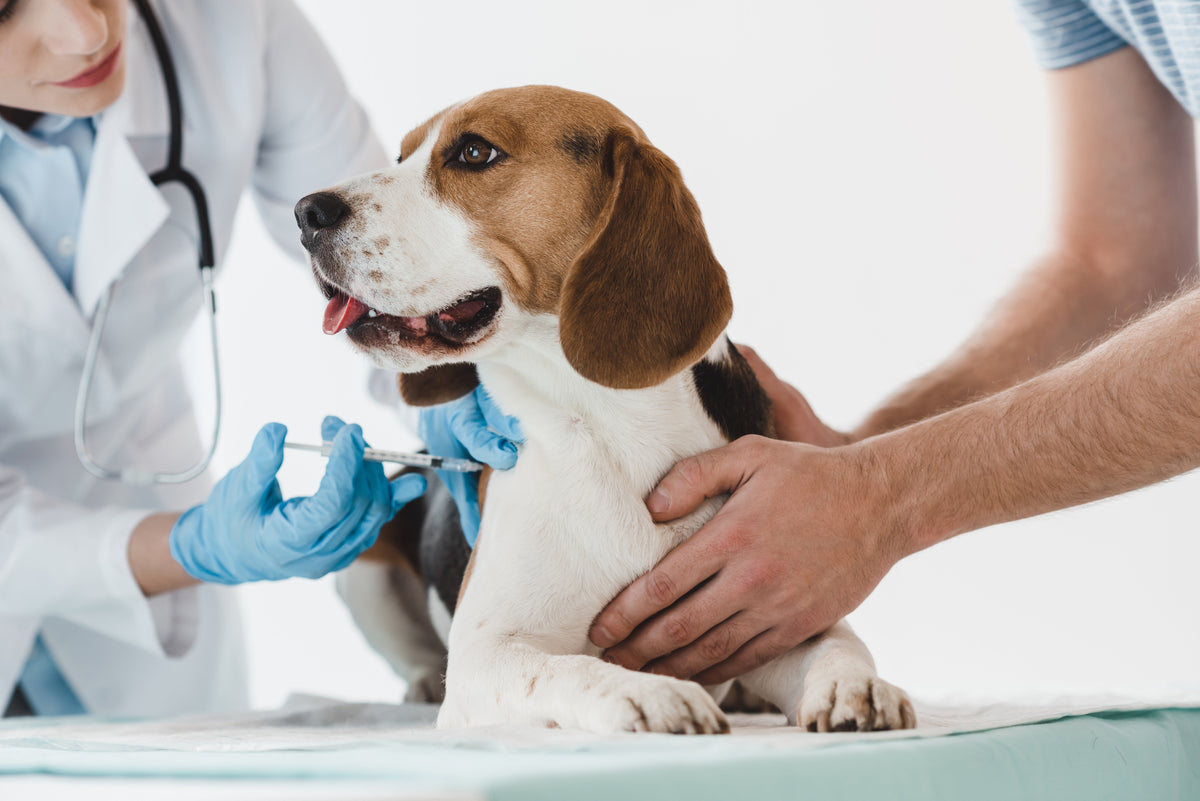
What Vaccines Do Dogs & Cats Need? A Canadian Pet Vaccination Guide
Vaccination is an important part of preventative health care for dogs and cats. Vaccines help protect individual pets against potentially serious infectious diseases while also helping reduce the spread of disease among animal populations.
Your pet's vaccination needs are not necessarily identical to another pet's. Age, lifestyle, health history, travel, geographic location, and potential environmental exposure can all influence the vaccines your veterinarian recommends.
Understanding the difference between core vaccines and those recommended based on individual risk can make conversations with your veterinarian easier and help you stay on top of your pet's preventative care.
What Vaccines Do Dogs Commonly Receive?
Core vaccines are generally recommended for dogs because of the severity, prevalence, or public health implications of the diseases they help prevent. Common core vaccinations for dogs protect against:
-
Canine distemper virus
-
Canine parvovirus
-
Canine adenovirus
-
Leptospirosis
-
Rabies
Several vaccines may be administered together as part of a combination vaccine.
Leptospirosis is an important consideration even for dogs that don't spend significant time around other dogs. The bacteria can be spread through the urine of infected wildlife and rodents and may contaminate soil or water, creating potential exposure in both urban and rural environments.
Depending on your dog's individual risk, your veterinarian may also recommend vaccines such as Bordetella or Lyme disease. Factors such as geographic location, time spent outdoors, travel, boarding, daycare, and other environmental or lifestyle exposures can all influence these recommendations.
What Vaccines Do Cats Commonly Receive?
Core vaccines for cats commonly protect against:
-
Feline panleukopenia virus
-
Feline herpesvirus-1
-
Feline calicivirus
-
Rabies
The first three are commonly administered together in a combination vaccine often referred to as FVRCP.
Feline leukemia virus (FeLV) vaccination is also generally recommended for kittens and young cats because they are more susceptible to infection. As cats reach adulthood, the decision to continue FeLV vaccination is based on their individual exposure risk, such as outdoor access or potential contact with FeLV-positive cats or cats whose FeLV status is unknown.
Even indoor cats should have their vaccination needs reviewed regularly with a veterinarian. Indoor living can reduce exposure to certain diseases, but it does not eliminate all risk.
What Are the Vaccination Requirements in Canada?
Vaccination rules can vary by province, territory, and municipality.
In Ontario, cats and dogs must be vaccinated against rabies from three months of age, with limited exemptions provided under provincial regulations.
Pet parents elsewhere in Canada should check the rules that apply in their province, territory, and municipality.
Proof of vaccination may also be requested by boarding facilities, daycares, groomers, training facilities, and other pet services. Individual businesses can have their own policies regarding which vaccinations must be current.
Travelling with your pet can involve additional vaccination and documentation rules depending on your destination. Always check entry requirements well before your planned departure.
When Should Puppies and Kittens Be Vaccinated?
Puppies and kittens often begin their initial vaccination series at approximately six to eight weeks of age, followed by additional doses over the following weeks or months.
Young pets require a series of vaccinations because antibodies received from their mother can interfere with early vaccine responses. Additional doses help provide protection as those maternal antibodies decline.
The timing of rabies vaccination differs from the initial puppy or kitten series and can also be influenced by local laws. Booster schedules during adulthood vary depending on the vaccine, your pet's previous vaccination history, health, lifestyle, and risk of exposure.
Your veterinarian will establish the appropriate schedule for your individual pet.
If you've adopted a pet and don't know their vaccination history, speak with your veterinarian about how to safely establish or resume a vaccination schedule.
Before Your Pet's Vaccination Appointment
Before vaccination, let your veterinarian know about:
-
Current medications or supplements
-
Existing health conditions
-
Previous vaccine reactions
-
Recent illness or changes in behaviour
-
Upcoming travel, boarding, grooming, or daycare plans
-
Any significant changes to your pet's lifestyle
Keeping an up-to-date copy of your pet's vaccination records can make future veterinary visits, travel, boarding, and other services much easier.
What to Expect After Vaccination
Some pets may experience mild, short-lived effects after vaccination, including:
-
Tenderness around the injection site
-
Mild tiredness
-
Reduced appetite
-
A low-grade fever
These effects are generally temporary. Contact your veterinarian if symptoms persist, worsen, or you're concerned about how your pet is feeling.
When to Seek Urgent Veterinary Care
Although serious vaccine reactions are uncommon, some symptoms require urgent veterinary attention.
Difficulty breathing, facial swelling, collapse, or repeated vomiting following vaccination should be treated as urgent. Contact your veterinarian or an emergency veterinary hospital immediately.
Vaccination Is One Part of Preventative Care
Vaccination works alongside regular veterinary examinations, balanced nutrition, parasite prevention, dental care, and appropriate exercise to support your pet throughout their life.
Your veterinarian can determine which vaccines your pet needs and when they should receive them. For other aspects of your veterinarian's care plan, Pets Drug Mart can help with veterinary prescription fulfillment and a range of pet health and wellness products to support ongoing care.
Leave a comment
This site is protected by hCaptcha and the hCaptcha Privacy Policy and Terms of Service apply.