










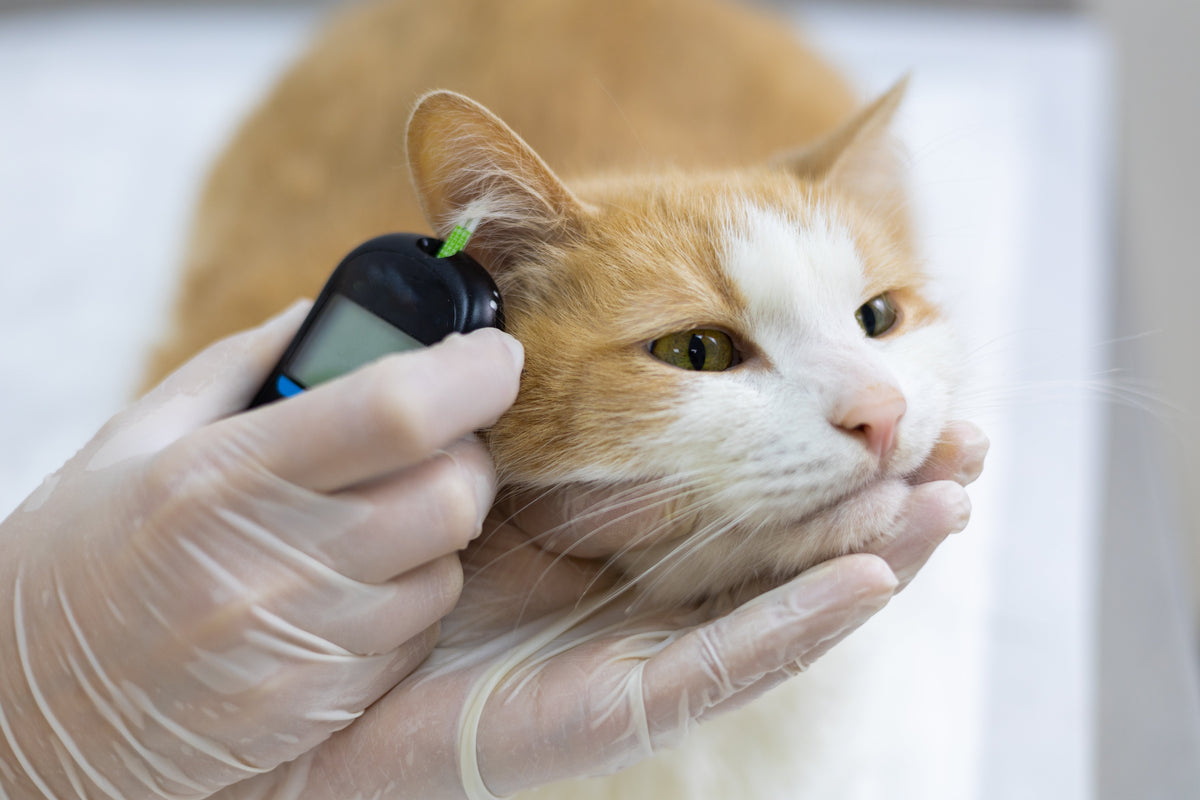
Diabetes in Dogs and Cats: Symptoms, Treatment & Daily Care
A diabetes diagnosis may require some adjustments to your pet’s daily routine, but with proper veterinary care and consistent management, many dogs and cats with diabetes can continue to live happy, fulfilling lives.
Recognizing the signs early is important, and understanding how diabetes is diagnosed, treated, and monitored can also help pet parents feel more confident managing their companion's health at home.
What Is Diabetes in Pets?
Diabetes mellitus occurs when the body cannot properly produce or use insulin, a hormone that helps move glucose from the bloodstream into cells where it can be used for energy.
When this process is disrupted, glucose builds up in the bloodstream instead of being used effectively by the body.
Both dogs and cats can develop diabetes. Age, genetics, certain health conditions, medications, and obesity can influence risk, although the causes and progression can differ between species.
Common Signs and Symptoms
The early signs of diabetes can sometimes be easy to overlook. Look out for things like:
- Increased thirst
- More frequent urination
- Increased appetite
- Unexplained weight loss
- Lethargy or reduced activity
- Changes in coat condition
As diabetes progresses, pets may develop additional health complications. Dogs can be particularly prone to cataracts, while diabetic cats may develop weakness in their hind legs.
Changes in thirst, urination, appetite, or weight should always be discussed with your veterinarian, as these symptoms can also be associated with other medical conditions.
How Is Diabetes Diagnosed?
Veterinarians typically diagnose diabetes using a combination of your pet's symptoms, physical examination, and laboratory testing.
Blood and urine tests can identify persistently elevated glucose levels and help rule out other conditions. Your veterinarian may also recommend additional testing depending on your pet's overall health.
Once diagnosed, an individual treatment and monitoring plan can be established.
How Is Diabetes Treated?
Many diabetic pets require insulin injections to help regulate their blood glucose. Your veterinarian will determine the appropriate insulin, dosage, feeding schedule, and monitoring plan for your pet.
Diet and weight management can also play an important role. Consistency is particularly valuable, as changes in meals, activity, or medication timing can affect blood glucose levels.
Never adjust an insulin dose or treatment schedule without veterinary guidance, even if your pet's appetite, weight, or behaviour changes.
Creating a Consistent Daily Routine
Day-to-day diabetes management usually becomes easier once a predictable routine is established. Your veterinarian may recommend:
-
Feeding consistent portions at regular times
-
Administering insulin according to a set schedule
-
Maintaining regular, appropriate exercise
-
Monitoring appetite, thirst, urination, weight, and behaviour
-
Keeping medications and supplies organized
-
Attending scheduled veterinary follow-ups
Keeping a simple daily record of meals, medication, and noticeable changes can also provide useful information during veterinary appointments.
Long-Term Management and Monitoring
Diabetes management is not one-size-fits-all. Your pet's insulin requirements and nutritional needs can change over time, which makes ongoing veterinary monitoring essential.
Regular check-ups and blood glucose monitoring help your veterinarian determine how well treatment is working and whether adjustments are needed.
Pet parents should also know the signs of blood sugar becoming too low, or hypoglycemia. Weakness, trembling, unusual sleepiness, disorientation, or seizures can indicate an emergency and require immediate veterinary attention. Ask your veterinarian in advance what steps to take if you suspect your pet is experiencing hypoglycemia.
Supporting Your Pet's Care at Home
Managing a chronic condition requires consistency, but you do not have to navigate medication management alone.
PetsDrugMart offers prescription fulfillment for veterinary medications and supplies, helping pet parents maintain convenient access to the products included in their veterinarian's diabetes treatment plan. Our pharmacy team can also answer questions about prescription details, administration, and medication management.
With consistent daily care, regular veterinary monitoring, and the right treatment plan, diabetes can often be successfully managed for the long term.
Leave a comment
This site is protected by hCaptcha and the hCaptcha Privacy Policy and Terms of Service apply.